


Size Guide
Size Guide
A considered fit begins with a few accurate measurements. Use this guide to compare body proportions, understand garment ease and choose apparel, bags and accessories with more confidence.
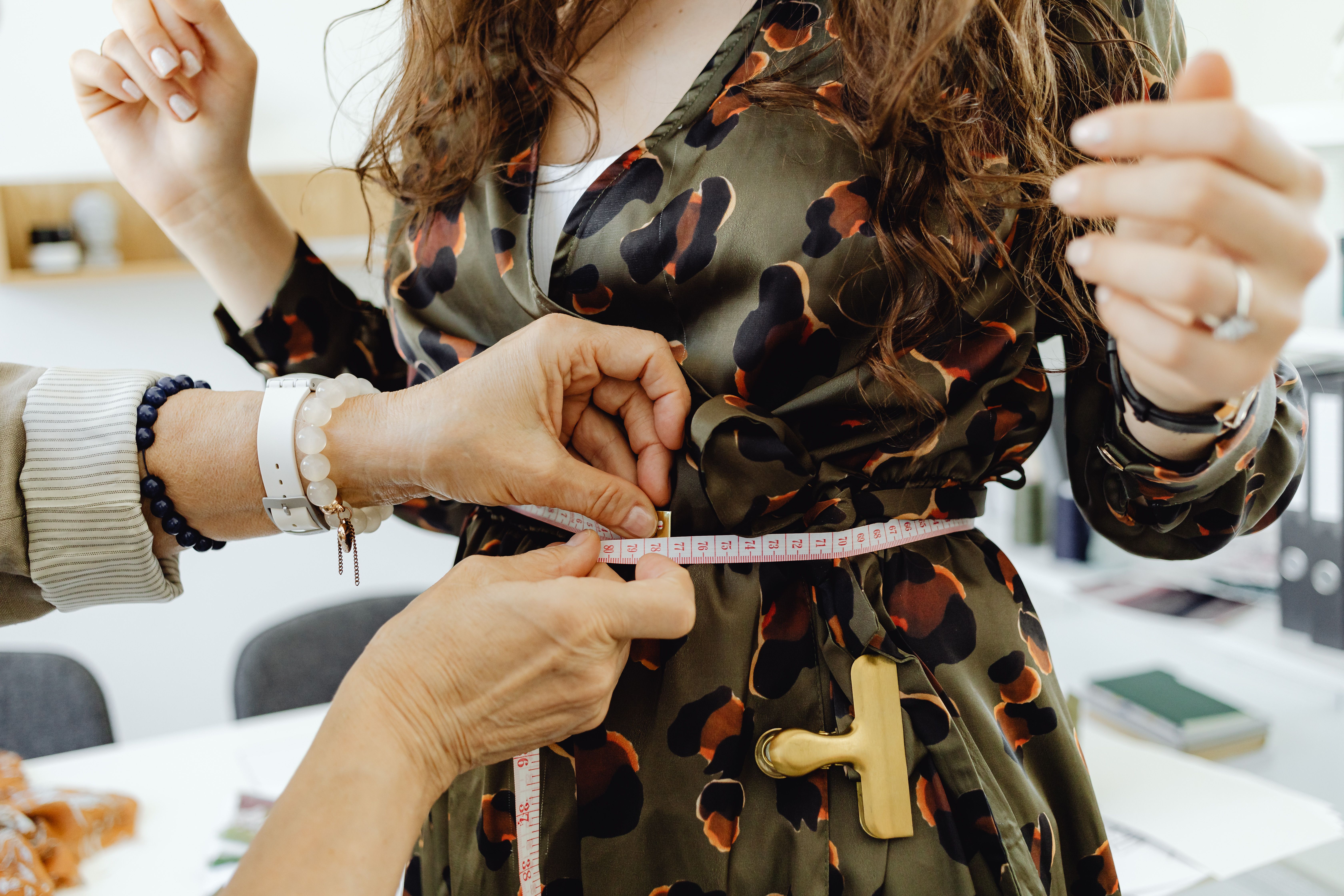
Begin with your body, then consider the way you want the piece to feel.
Wear light clothing or undergarments, stand naturally and keep the measuring tape parallel to the floor. Take each measurement without pulling the tape tight or leaving excess space.
The apparel table below is a general body-measurement reference. Product proportions, intended ease and garment construction may vary, so review the product description when additional fit information is available.
Stand upright, breathe normally and keep the measuring tape level and comfortably close to the body.
Bust
Measure around the fullest part of the bust. Keep the tape level across the back and avoid compressing the body.
Natural waist
Measure around the narrowest point of the torso, usually above the navel and below the lower rib.
Full hip
Stand with feet together and measure around the fullest point of the hips and seat.
Inseam
Measure from the top of the inner leg to the preferred trouser hem, keeping the tape straight.
Shoulder width
Measure across the back from one shoulder point to the other, following the natural line of the shoulders.
Sleeve length
With the arm slightly bent, measure from the shoulder point along the arm to the preferred cuff position.
General body measurement guide.
Use the range that most closely matches your bust, waist and hip. When measurements fall across different sizes, consider the garment shape and choose around the area where you prefer more room.
| Size | Bust in | Waist in | Hip in | Bust cm | Waist cm | Hip cm |
|---|---|---|---|---|---|---|
| XS | 31.5–33 | 24.5–26 | 34–35.5 | 80–84 | 62–66 | 86–90 |
| S | 33–35 | 26–28 | 35.5–37.5 | 84–89 | 66–71 | 90–95 |
| M | 35–37 | 28–30.5 | 37.5–40 | 89–94 | 71–77 | 95–102 |
| L | 37–40 | 30.5–33.5 | 40–43 | 94–102 | 77–85 | 102–109 |
| XL | 40–43 | 33.5–37 | 43–46 | 102–109 | 85–94 | 109–117 |
| XXL | 43–46 | 37–40.5 | 46–49 | 109–117 | 94–103 | 117–124 |
This guide uses body measurements rather than finished garment measurements. A relaxed shirt, tailored jacket, stretch knit and structured dress can each fit differently even when they share the same labeled size.
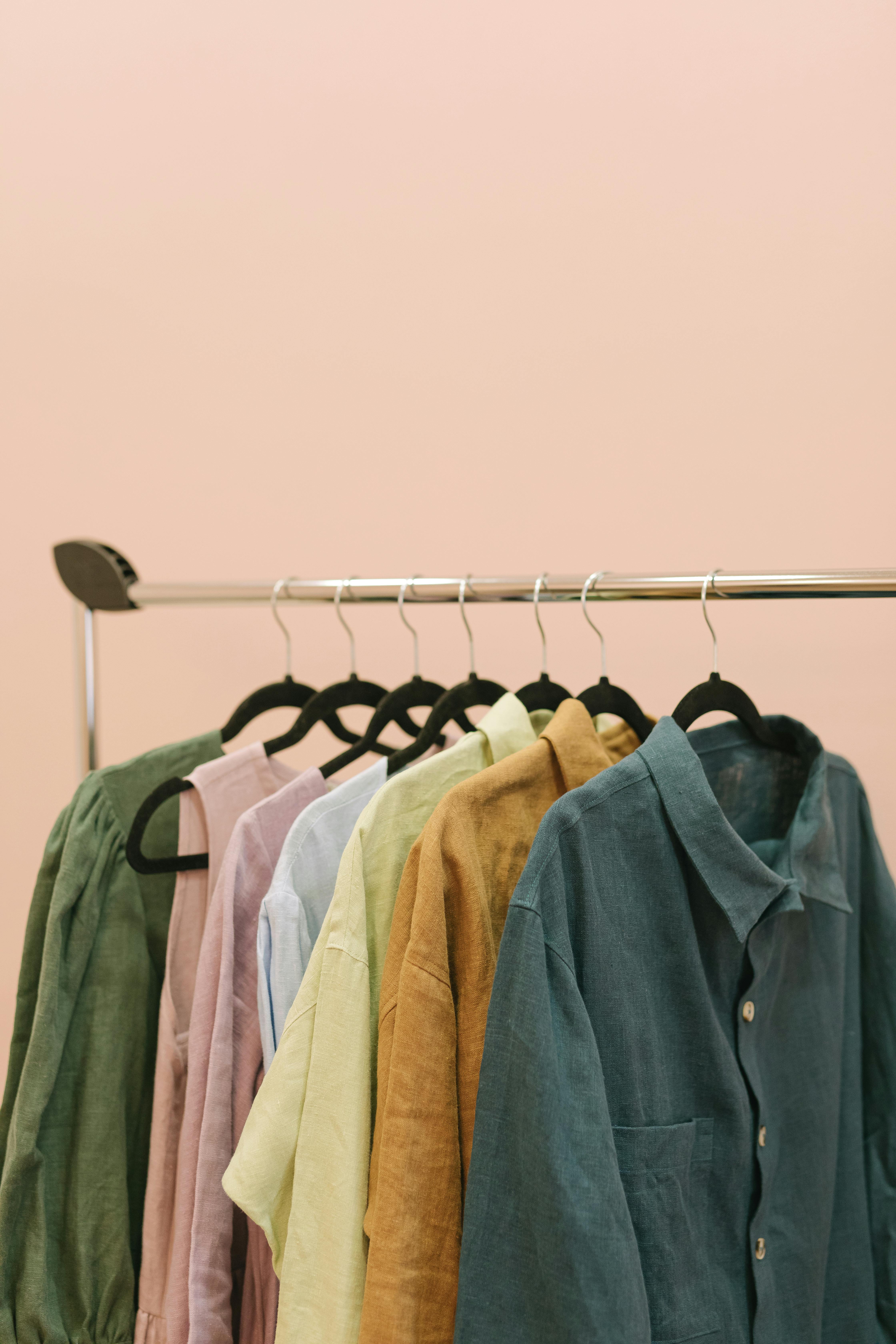
The right size also depends on the silhouette.
Body measurements identify a starting point. The final feel comes from ease: the space designed between the body and the garment.
- Fitted pieces follow the body more closely and may require extra attention to bust, waist or hip.
- Regular fits allow natural movement without an intentionally oversized shape.
- Relaxed and oversized styles include more room as part of the design.
- Outerwear may need additional space for knitwear or layered tops underneath.
How do you want the piece to sit?
Closer fit
Choose the size that follows your key body measurements most closely. This can suit streamlined tops, fitted dresses and narrow silhouettes.
Minimal extra roomEveryday fit
Choose the size aligned with your measurements while allowing comfortable movement through the shoulders, waist and hip.
Balanced easeRelaxed fit
Consider the intended cut before sizing up. Many relaxed shirts, sweaters and jackets already include additional volume.
Intentional volumeFocus on the measurements that shape each piece.
Tops, shirts & knitwear
Begin with bust and shoulder width, then consider sleeve length and whether the piece is designed to layer.
- Check bust placement and shoulder line.
- Allow room for movement through the upper back.
- For sweaters, decide whether you prefer a closer or relaxed drape.
Trousers & skirts
Use waist and full hip together. For trousers, also compare inseam and rise preference where that information is available.
- Measure the natural waist without pulling the tape tight.
- Use the fullest point of the hip and seat.
- Consider whether the waistband sits high, mid or lower.
Dresses & matching sets
Compare bust, waist and hip rather than choosing from one measurement alone. Prioritize the area with the least flexibility.
- Review where the dress is intended to skim or define the body.
- For sets, consider both top and bottom proportions.
- Account for movement through seated and walking positions.
Jackets & coats
Shoulder line and bust are key. Add consideration for knitwear, shirts or other layers worn underneath.
- Keep the shoulder seam close to the natural shoulder point.
- Check sleeve length with the arm slightly bent.
- Allow enough room to close the front comfortably.
Choose a bag by scale, carry style and daily use.
Bag dimensions describe the exterior. The opening, structure and internal shape also influence what fits inside.
Across the widest point
Measure from side to side while the bag is resting naturally, without stretching the material.
Exterior measurementBase to top edge
Measure vertically from the base to the highest edge of the bag body, excluding handles.
Bag body onlyFront to back
Measure the base depth to understand how much volume the bag can hold when in use.
Capacity indicatorTop of strap to bag
Measure the vertical distance from the strap peak to the top edge of the bag body.
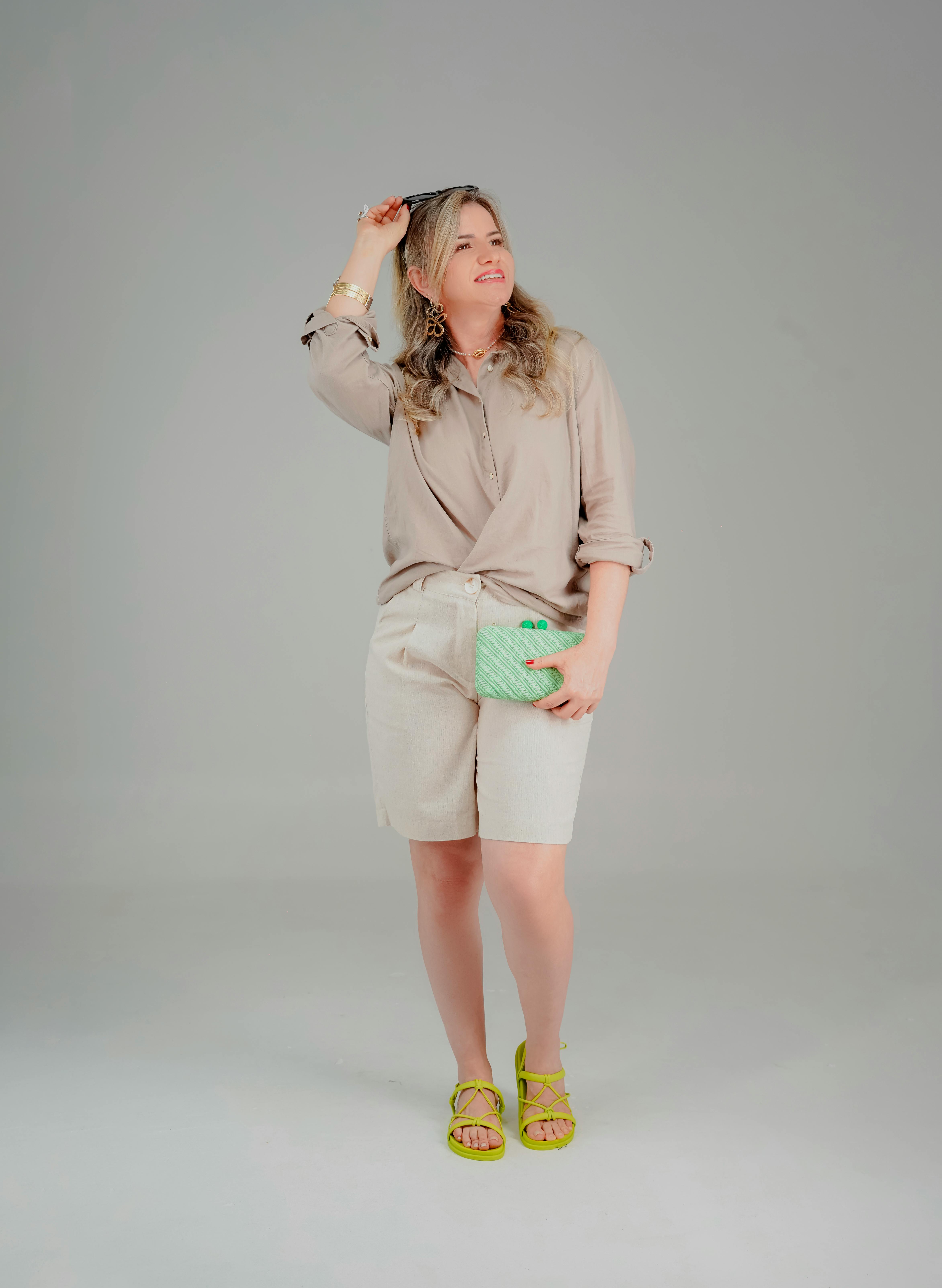
Carry positionLet bag and accessory scale support the outfit.
A compact clutch creates a lighter visual finish, while an everyday shoulder bag or tote adds more presence. Consider the length of the outfit, the volume of the clothing and where the bag rests against the body.
- Shorter straps keep the bag closer to the upper body.
- Longer crossbody straps place the bag lower and change the visual line.
- Structured shapes appear more defined; softer bags settle more naturally.
- Belts, scarves, hats and sunglasses should feel proportional to the overall silhouette.
Common inch and centimeter references.
For a precise conversion, multiply inches by 2.54. Rounded values below are useful for quick comparison while measuring.
A few details that make sizing easier.
Use these notes together with the product description and your preferred silhouette.
What should I do when my measurements fall between sizes?
Consider the intended fit and the area where you need the most room. For a fitted piece, prioritize the least flexible measurement. For a relaxed style, review whether additional ease is already part of the design.
Should I size up for layering?
For jackets, coats and cardigans, consider what you plan to wear underneath. A heavier knit or multiple layers may require more room through the shoulder, bust and sleeve.
How do I compare a garment I already own?
Lay the garment flat without stretching it. Compare chest width, waist width, hip width, total length and sleeve length with the dimensions listed for the item when those measurements are available.
How should I choose a bag size?
Begin with the items you carry most often, then consider the bag opening, structure, width, height, depth and strap drop. A soft bag may hold differently from a rigid bag with similar exterior dimensions.
Can StyleNova help with a fit question?
Yes. Contact StyleNova with the item name, your relevant measurements and the fit you prefer. Our team can help you interpret the available product information.
Share your measurements and the silhouette you prefer.
Include the item name, bust, waist, hip or relevant bag dimensions, plus whether you prefer a closer, everyday or relaxed fit. Clear details help us offer more useful guidance.
- info@stylenova.lol
- Phone
- 9865550140
- Processing & Shipping
- 3–5 business days
- Store Address
- 8779 W Mornin Mist St Boise ID 83709